Ingredienti di stagione IT
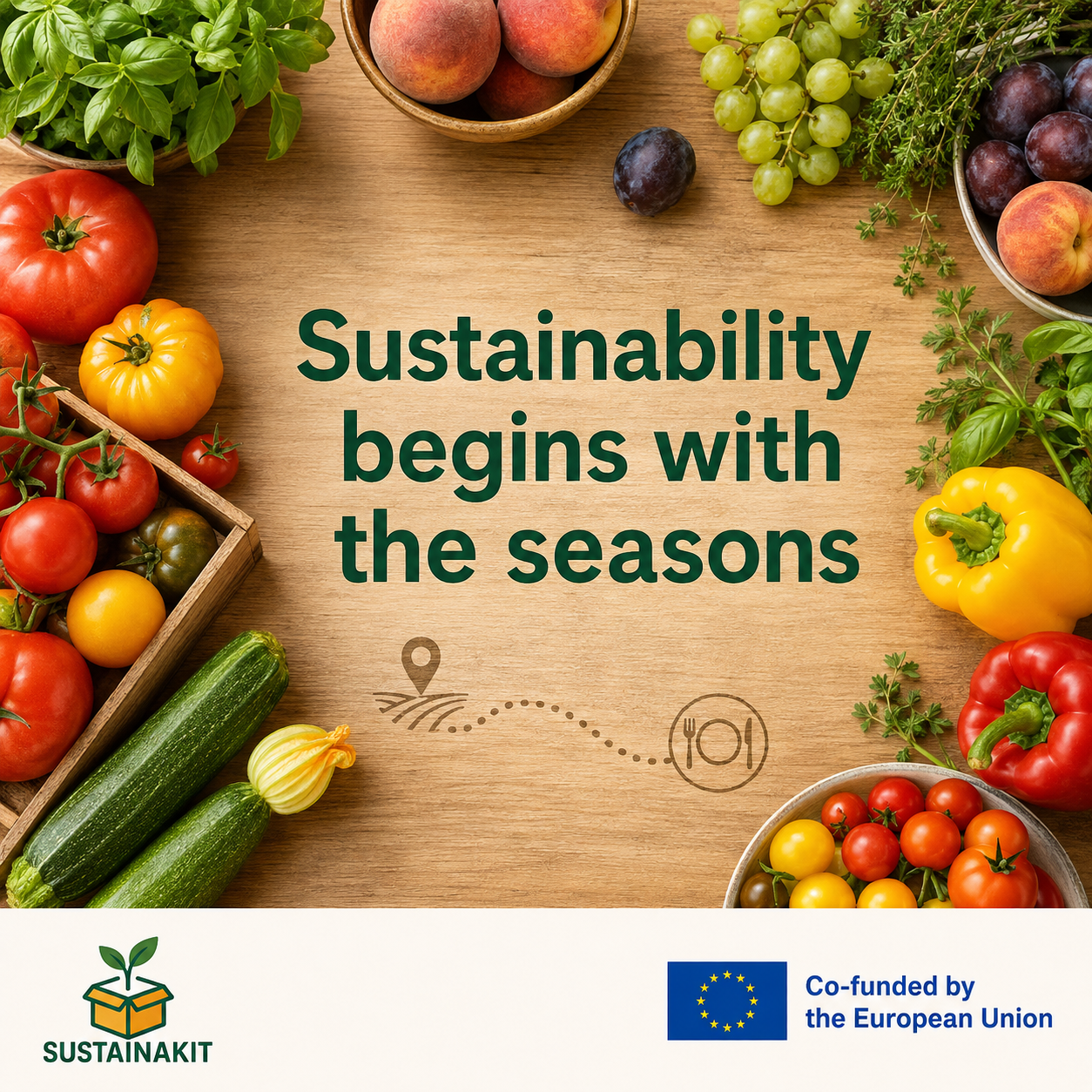
🌞 Agosto ci ricorda che la sostenibilità inizia dalle stagioni. In tutta Europa, gli ingredienti stagionali riflettono i climi locali, le tradizioni culinarie e i sistemi alimentari regionali.
Scegliere prodotti nel momento in cui sono naturalmente disponibili può sostenere i produttori locali, favorire approvvigionamenti più responsabili e ispirare menu legati al territorio e al periodo dell’anno.
Seasonal Ingredients EN
🌞 August reminds us that sustainability begins with the seasons.
Across Europe, seasonal ingredients reflect local climates, culinary traditions and regional food systems. Choosing products when they are naturally available can support local producers, encourage more responsible sourcing and inspire menus that are closely connected to place and time.
In culinary vocational education, understanding seasonality helps future professionals make more informed decisions about the ingredients they select and the food they prepare.
From the field to the training kitchen, seasonal thinking is an important ingredient of a more sustainable food sector. 🌱
Prevenzione dello spreco alimentare IT
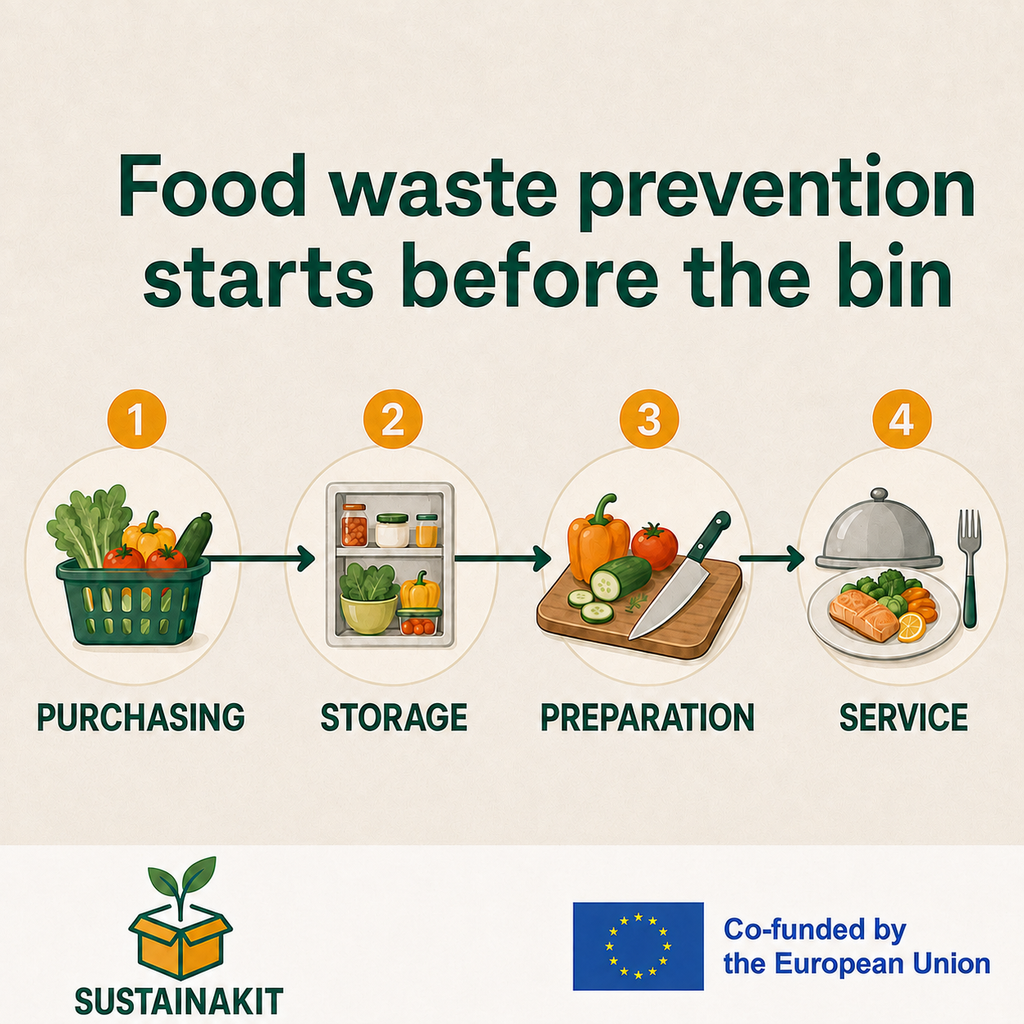
♻️ Ridurre lo spreco alimentare inizia molto prima che il cibo finisca nel cestino.
Le decisioni prese durante l’acquisto, lo stoccaggio, la preparazione e il servizio influenzano il modo in cui gli ingredienti vengono utilizzati.
Food-waste prevention – EN
🌍 Sustainability in the kitchen is not only about reducing waste or saving energy.
It also means thinking about people: the producers behind our ingredients, the communities supported by our purchasing choices, and the learners and professionals working together in culinary environments.
Culinary VET can help future professionals understand all three dimensions of sustainability:
🌱 Environmental responsibility
💶 Economic viability
🤝 Social well-being
By bringing these perspectives together, vocational education can prepare food professionals to make decisions that are responsible, balanced and sustainable in the long term.
💬 How do you address the social dimension of sustainability in your classroom or workplace?